The HVAC Maintenance Tasks Most Homeowners Forget Until Something Breaks
Most heating and cooling systems don’t fail without warning. They send small signals for months, sometimes years, before a sudden breakdown forces an emergency call. The trouble is that the tasks capable of catching those warning signs are exactly the ones that slip everyone’s mind. Life gets busy, the furnace keeps running, and nobody thinks about the condensate drain until water is pooling on the basement floor. As a family owned and operated company, we’ve walked into countless homes where a fifteen-minute maintenance step, done months earlier, would have prevented a costly repair on a freezing night in Thornton or a sweltering afternoon in Wheat Ridge.
The good news is that awareness solves most of the problem. Below, we walk through the forgotten chores in roughly the order they’d naturally come up over a year of ownership, so you can build them into your routine before something breaks.
The Filter and Airflow Steps That Fade From Memory
Nearly everyone knows filters matter, yet the schedule quietly slips. A one-inch filter often needs replacement every one to three months, while thicker media filters may last longer. When a filter clogs, your blower motor works harder, energy bills climb, and the system risks overheating or freezing the evaporator coil. We regularly find filters so packed with dust that they’ve begun to collapse inward, choking the entire system.
Airflow problems extend beyond the filter, though. Supply and return vents get blocked by furniture, rugs, and curtains without anyone noticing the imbalance. Homeowners forget that a closed-off room throws pressure back against the equipment, straining the blower and creating hot and cold spots. Walking your home once a season to confirm every register is open and unobstructed is one of the simplest habits you can build.
Outdoor Units, Coils, and Drains Nobody Inspects
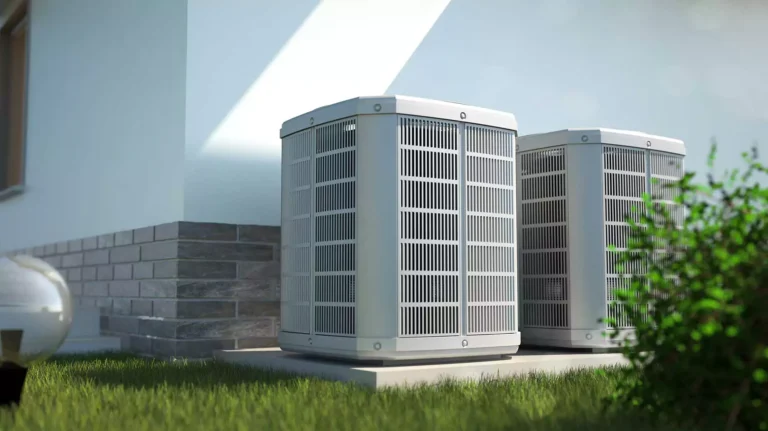
The outdoor condenser handling your air conditioning is exposed to everything Colorado throws at it. Cottonwood fluff, grass clippings, leaves, and dirt collect on the fins and restrict heat transfer. When the coil can’t release heat efficiently, the compressor runs longer and hotter, shortening its lifespan. Keeping at least two feet of clearance around the unit and gently rinsing the fins with a garden hose makes a measurable difference.
Indoors, the condensate drain line is a classic forgotten culprit. As your system cools, it pulls moisture from the air, and that water drains away through a small line that loves to grow algae and clog. A blocked drain triggers safety switches, causing the system to shut down, or worse, it overflows and damages ceilings and floors. Consider these often-neglected components:
- Condensate drain line: flush periodically to prevent algae buildup and water backups
- Evaporator and condenser coils: keep clean so heat transfer stays efficient
- Drain pan: check for standing water, rust, or cracks that signal drainage trouble
- Outdoor unit base: clear away debris and confirm the unit sits level
The Mechanical and Safety Checks That Require a Professional
Some tasks simply belong to trained hands, and these are the ones homeowners forget most because they aren’t visible day to day. Refrigerant levels, electrical connections, capacitor health, gas pressure, and heat exchanger integrity all sit hidden inside the equipment. A slowly failing capacitor gives no obvious sign until the compressor won’t start on the hottest day of the year. A cracked heat exchanger is even more serious, since it can leak carbon monoxide into your living space.
During a professional visit from Tradewinds Heating & Cooling Inc. – NextGen Rebuild, our technicians measure amperage draws, test safety controls, verify thermostat calibration, tighten electrical terminals, and inspect combustion components. We service all makes and models, so whether your system is a decade old or a recent energy-efficient furnace, we know what wear to look for. Here’s how a thorough seasonal tune-up typically progresses:
- Inspect and test controls: confirm the thermostat, safety switches, and ignition system respond correctly
- Measure performance: check refrigerant charge, gas pressure, and temperature differentials
- Clean and adjust: service coils, burners, and the blower assembly for optimal airflow
- Verify safety: examine the heat exchanger and electrical connections for hidden hazards
Beyond mechanical care, indoor air quality products such as humidifiers and filtration systems need their own attention, and we install and maintain those as well. We take the extra time to educate our customers on the specifics of every system and find the right fit for your family’s needs and budget. Providing genuine value and lasting peace of mind is something we take seriously, and our experts are standing by to help you stay ahead of the breakdown instead of reacting to it.