Understanding the Foundation of Effective Home Maintenance Planning
Creating a home maintenance calendar that you’ll actually follow requires more than just marking random dates on your calendar. At Tradewinds Heating & Cooling Inc. – NextGen Rebuild, we understand that protecting your HVAC investment starts with a systematic approach to maintenance scheduling. The average American household spends approximately $2,200 annually on energy bills, with heating and cooling accounting for nearly 48% of that consumption. By implementing a structured maintenance calendar, homeowners can reduce these costs by up to 30% while extending equipment lifespan by five to seven years.
The key to success lies in aligning your maintenance tasks with seasonal transitions and your family’s specific needs. We educate our customers on the specifics of every system and find the best one that will fit you and your families needs and personalized budget. This same personalized approach applies to maintenance scheduling. Consider factors like local climate patterns, your system’s age, manufacturer recommendations, and your household’s usage patterns when developing your calendar framework.
Essential Monthly HVAC Tasks for Year-Round Comfort
Monthly maintenance tasks form the backbone of your HVAC care routine. Filter replacement or cleaning stands as the most critical monthly task, directly impacting both air quality and system efficiency. Standard one-inch filters typically require monthly replacement, while high-efficiency pleated filters can last up to three months depending on environmental factors like pet ownership, construction nearby, or allergy concerns. During peak usage months, visual inspection becomes even more crucial.
Beyond filter maintenance, monthly tasks should include checking thermostat accuracy, ensuring all vents remain unobstructed, and listening for unusual sounds during system operation. We specialize in new installation of energy efficient furnaces and air conditioner systems, installation of indoor air quality products, and maintenance and repair of all makes and models, giving us unique insight into how proper monthly attention prevents major issues. Documentation proves invaluable here. Recording energy usage, noting any performance changes, and tracking when specific tasks were completed helps identify patterns and potential problems before they escalate into costly repairs.
Seasonal Maintenance Milestones That Maximize System Performance
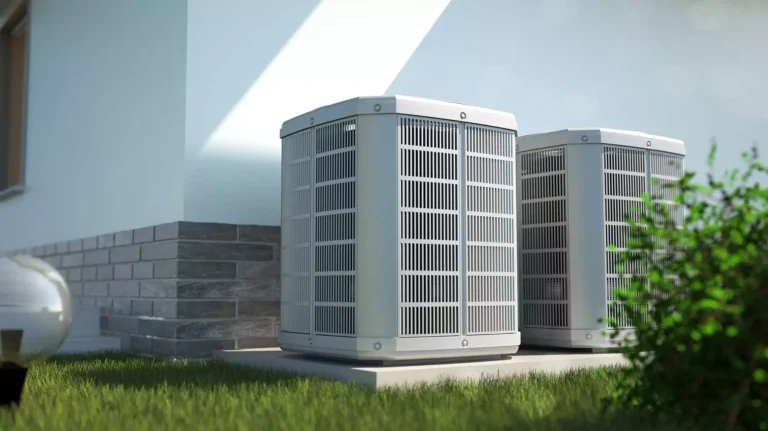
Spring and fall represent critical transition periods for HVAC systems, requiring comprehensive attention to ensure smooth seasonal changeovers. Spring maintenance focuses on preparing your air conditioning system for summer demands. This includes cleaning outdoor condenser coils, checking refrigerant levels, testing capacitors and contactors, and ensuring proper drainage from condensate lines. Professional inspection during this period can identify worn components before peak cooling season stress causes failures.
Fall preparation centers on heating system readiness. Furnace heat exchangers require inspection for cracks or corrosion, while burner assemblies need cleaning to ensure efficient combustion. Carbon monoxide detectors should receive new batteries, and all heating elements deserve thorough testing before cold weather arrives. We are family owned and operated and strive to provide great customer service to all of our customers, which includes helping you understand these seasonal requirements specific to your equipment.
Creating Your Personalized Maintenance Schedule
- January through March: Focus on heating system monitoring, humidity control adjustments, and planning for spring maintenance appointments
- April through June: Transition from heating to cooling, schedule professional AC inspection, clean outdoor units, and test cooling performance
- July through September: Monitor cooling system performance, maintain consistent filter changes, and prepare for fall heating transition
- October through December: Complete heating system preparation, test emergency heat functions, and review annual energy consumption patterns
Your personalized schedule should account for manufacturer warranties, which often require documented professional maintenance to remain valid. Digital calendar reminders, maintenance apps, or even simple paper checklists can serve as effective tracking tools. The method matters less than consistency and follow-through.
Professional Support and Long-Term Investment Protection
While homeowner maintenance proves essential, professional servicing remains irreplaceable for comprehensive system care. Industry standards recommend professional HVAC inspection twice annually, typically during spring and fall transitions. These inspections include technical evaluations beyond typical homeowner capabilities, such as checking electrical connections, measuring refrigerant pressures, testing safety controls, and analyzing combustion efficiency.
Maintenance agreements offer structured professional support while often providing priority service and repair discounts. Our experts are standing by to help develop a maintenance strategy that protects your investment while ensuring consistent indoor comfort. By combining diligent homeowner maintenance with professional expertise, your HVAC system can achieve optimal performance throughout its extended lifespan, delivering reliable comfort while minimizing operating costs and unexpected breakdowns. This balanced approach to maintenance scheduling transforms reactive repair cycles into proactive system management, ultimately saving thousands of dollars over your system’s lifetime.