
How Extreme Weather Events Impact Your HVAC System and What Every Homeowner Should Know About Protecting Their Investment
Colorado’s Front Range is no stranger to dramatic weather swings. From sudden spring blizzards in Denver to triple-digit summer heat waves in Wheat Ridge, the extreme conditions we experience across the metro area place enormous stress on residential heating and cooling equipment. At Tradewinds Heating & Cooling Inc. – NextGen Rebuild, we are family owned and operated and strive to provide great customer service to all of our customers, which means educating you about how weather events can damage your system and what proactive steps you can take to avoid costly emergencies.
The Direct Impact of Extreme Heat on Air Conditioning Systems
When summer temperatures soar above 95 degrees for days at a time, your air conditioner runs nearly continuously. This sustained operation forces compressors, fan motors, and capacitors to work far beyond their normal duty cycles. According to the Department of Energy, HVAC systems account for roughly 48 percent of a typical home’s energy consumption, and that percentage spikes dramatically during heat waves. Prolonged cycling causes refrigerant pressures to climb, electrical components to overheat, and condenser coils to struggle with heat rejection. Homeowners in Applewood, Bow Mar, and Thornton all face the same reality: extreme heat accelerates wear and can turn a minor AC repair into a full system replacement if problems are not caught early.
Dust storms and wildfire smoke, which have become increasingly common along the Front Range, compound the problem. Fine particulate matter clogs outdoor condenser fins and indoor air filters at an alarming rate. When airflow is restricted, the system works harder, efficiency drops, and the risk of mechanical failure rises. We specialize in installation of indoor air quality products that help filter harmful particles before they circulate through your home, protecting both your family’s health and the longevity of your equipment.
Winter Storms and Their Effect on Heating Equipment
Colorado winters bring their own set of challenges. Rapid temperature drops of 40 degrees or more within a few hours are not unusual in Denver and surrounding communities. These sudden plunges force furnaces to fire at maximum capacity for extended periods, stressing heat exchangers, ignition systems, and blower motors. A cracked heat exchanger is one of the most serious consequences of prolonged extreme cold operation because it can allow carbon monoxide to leak into your living space. Regular heating service and seasonal maintenance inspections are the most effective way to catch these issues before they become dangerous.
Ice storms and heavy snowfall can also damage outdoor heat pump units and block exhaust vents. Snow accumulation around a furnace exhaust pipe can cause the system to shut down entirely or, worse, create a backdrafting situation. We educate our customers on the specifics of every system and find the best solution that fits each family’s needs and personalized budget, including recommending protective measures like vent guards and elevated equipment pads.
Proactive Steps Every Homeowner Should Take
Protecting your HVAC investment from extreme weather does not require a massive upfront expense, but it does require planning. Our professional service technicians are trained to get the job done correctly, providing you with the peace of mind and comfort you deserve. Here are the most critical actions we recommend:
- Schedule biannual maintenance in spring and fall to ensure both your air conditioning and heating systems are operating at peak efficiency before extreme temperatures arrive
- Replace air filters monthly during periods of heavy use, wildfire smoke events, or dust storms to maintain proper airflow and protect internal components
- Install a surge protector on your HVAC system because lightning strikes and power grid fluctuations during storms cause electrical damage that voids many manufacturer warranties
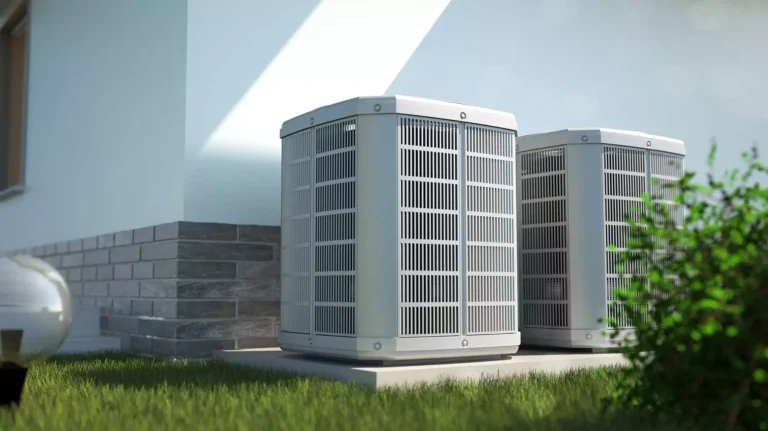
- Keep outdoor units clear of debris, snow, and vegetation with at least two feet of clearance on all sides for proper airflow and heat exchange
- Consider upgrading aging equipment since systems older than 15 years lack the efficiency ratings and durability features built into modern units designed for extreme conditions
- Invest in a programmable or smart thermostat to reduce unnecessary strain during peak demand periods and extend system life
When Repair Is Not Enough and Replacement Becomes the Smart Choice
After a severe weather event, some systems sustain damage that makes repair impractical. Flood-damaged equipment, compressors that fail after sustained heat waves, and furnaces with compromised heat exchangers often cost more to fix than to replace. We specialize in new installation of energy efficient furnaces and air conditioner systems, and we also handle maintenance and repair of all makes and models. We take the extra time and effort to make every customer happy, walking you through every option so you can make an informed decision.
Homeowners across Wheat Ridge, Denver, Bow Mar, Thornton, and Applewood trust us because our experts are standing by to provide honest assessments, not pressure tactics. Whether you need urgent AC repair after a summer storm or a comprehensive HVAC service plan to safeguard your system year-round, protecting your investment starts with a single call to Tradewinds Heating & Cooling Inc. – NextGen Rebuild.