
How Trees, Shrubs, and Garden Beds Around Your Home Affect Your HVAC System’s Efficiency and Longevity
Picture the landscaping that surrounds your outdoor condenser unit right now. Maybe there is a row of shrubs planted for privacy, a flowering garden bed that softens the edge of the patio, or a mature tree that shades the west side of your house every afternoon. That greenery makes your yard more inviting, but it also has a direct and often underestimated influence on how well your heating and cooling equipment performs. The relationship between your plants and your HVAC system is closer than most homeowners realize, and understanding it can add years to the life of your equipment.
At Tradewinds Heating & Cooling Inc. – NextGen Rebuild, we see the effects of poor landscape planning on service calls throughout Wheat Ridge, Denver, Thornton, Applewood, and Bow Mar, CO. As a family owned and operated company, we take the time to educate our customers on how the space around their equipment affects efficiency, airflow, and repair frequency. This page walks you through what happens above and below the surface, and what you can do about it.
Why Airflow Around Your Outdoor Unit Matters
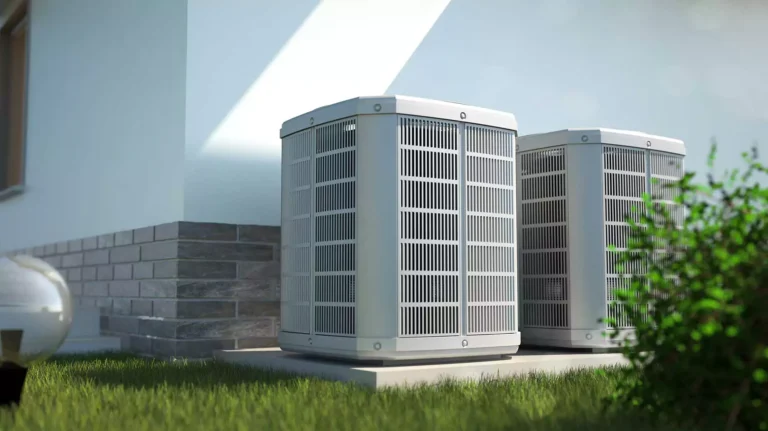
Your air conditioner or heat pump condenser works by pulling air across a coil to release heat that has been drawn out of your home. That process depends on a steady, unrestricted flow of air moving through the unit. When shrubs, ornamental grasses, or dense garden beds crowd the cabinet, they choke that airflow. The system then has to run longer and harder to reach the temperature you set on your thermostat, which raises your energy bills and puts extra strain on the compressor.
The compressor is the most expensive component in a cooling system, and heat is its enemy. When plants trap warm air near the unit, the equipment cannot shed heat efficiently, and internal temperatures climb. Over time, this shortens the life of the compressor and can trigger the kind of failures that lead to premature replacement. A well-placed clearance zone is one of the simplest ways to protect that investment, and it costs nothing but a little planning.
Recommended Clearances and Placement
Manufacturers publish minimum clearance specifications for a reason. As a general guideline, we recommend keeping vegetation well back from the condenser on every side. Here is what we advise most homeowners to aim for:
- Side clearance: maintain at least two to three feet of open space around all sides of the unit so air can enter the coil freely.
- Overhead clearance: leave a minimum of five feet above the unit clear of overhanging branches, awnings, and low tree limbs.
- Service access: keep a wider path on at least one side so a technician can open panels and work on internal components without fighting through foliage.
Placement of new plantings deserves the same attention. Before you install a hedge or dig a new bed near the unit, think about the mature size of the plant rather than how it looks the day you plant it. A shrub that looks tidy at eighteen inches can double or triple in size within a few seasons and slowly reclaim the clearance zone you started with.
How Debris From Plants Damages Equipment
Even plants kept at a proper distance shed material that can find its way into your system. Cottonwood seeds, which are common across the Front Range, are especially notorious. That fluffy white debris drifts through the air, clings to condenser coils, and mats into a felt-like layer that blocks airflow. Falling leaves, grass clippings from mowing, seed pods, and flower petals all contribute to the same problem.
Inside the cabinet, this buildup does more than restrict air. Organic debris holds moisture against metal surfaces, which encourages corrosion of the coil fins and the base pan. Fine particles also work their way into the fan motor and electrical connections. When we perform maintenance, cleaning the coil and clearing accumulated plant matter is one of the most impactful things we do to restore lost efficiency. We specialize in maintenance and repair of all makes and models, and coil cleaning is a routine part of keeping a system running the way it was designed to.
Roots, Garden Beds, and What Happens Below Ground
The influence of your landscape does not stop at the surface. Aggressive tree and shrub roots can shift the pad your outdoor unit sits on, throwing the equipment out of level and stressing refrigerant lines and electrical whips. Roots can also disturb underground line sets and, in the case of some heating systems, buried gas or condensate lines.
Garden beds create their own set of concerns. Mulch and soil piled high against the base of the unit trap moisture and hide the lower panels from view, making early corrosion easy to miss. Frequent watering of beds close to the equipment keeps that area damp far longer than it should be. When you plan a bed near your HVAC equipment, keep the soil grade sloping away from the unit and avoid heavy mulch right up against the cabinet.
Shade Can Help When It Is Done Right
Trees and shrubs are not the enemy. Thoughtful shade placed away from the equipment itself can actually reduce cooling loads. A tree that shades the roof or the sunny walls of your home lowers the temperature inside and eases the demand on your air conditioner. The key is separating the cooling benefit of shade over the house from the airflow problems that come from shade planted directly on the unit.
When you invest in a new system, factoring landscaping into the plan pays off. We install energy efficient furnaces and air conditioners along with indoor air quality products, and we help each customer match equipment and placement to their home and budget. If you are unsure whether your current plantings are helping or hurting, our professional technicians can evaluate your setup and recommend adjustments. Providing real value and peace of mind is something we take seriously, and our experts are standing by to help you protect your comfort and your equipment for years to come.